Why Proper Residential Waste Disposal Is Important for the Environment
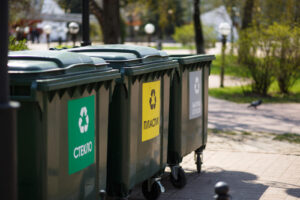
The garbage bin gets emptied every week, out to the curb, gone by the time anyone gets home from work. Most households never think past that point. Out of sight really does mean out of mind for most people when it comes to household waste. But what happens after that truck pulls away, and specifically how the household handled sorting and separation before it even reached the curb, has a genuinely measurable environmental impact that most people never connect to their own weekly routine.
This post covers why residential waste disposal actually matters environmentally, what happens differently when it’s done properly versus carelessly, and what households can realistically do to reduce their impact without turning garbage day into a full-time project.
The Scale of Household Waste Nobody Thinks About
Individually, one household’s garbage seems trivial. A few bags a week, nothing dramatic. Multiply that across an entire city, a province, a country, and the numbers get considerably less trivial.
Environment and Climate Change Canada reports that Canadians produce thirty‑five million tonnes of waste each year. Environment and Climate Change Canada says that residential waste removal makes up a part of that amount.
Environment and Climate Change Canada notes that a significant portion of the waste that ends up in landfill from household collection could have been diverted if proper sorting, recycling or composting were used.
Let’s face it, nobody’s individual weekly garbage bag is going to make or break a landfill’s capacity. But the cumulative effect across millions of households doing the same thing, whether that’s sorting properly or just tossing everything into one bin, is exactly what determines how fast landfill capacity gets used up and how much greenhouse gas gets generated in the process.
Why Landfills Aren’t Just a Storage Problem
Worth understanding why this matters beyond simply running out of space eventually.
Organic material, food waste specifically, that ends up in landfill rather than being composted decomposes without oxygen in that environment. That anaerobic decomposition produces methane, a greenhouse gas considerably more potent than carbon dioxide over a short timeframe. Residential garbage collection that properly separates organics into green bins or composting programs prevents this specific environmental cost, while organics mixed into general garbage guarantee it.
This is one of the more direct, measurable connections between household sorting habits and actual environmental outcome. It’s not abstract. Food scraps in the green bin become compost. Food scraps in the regular garbage become methane in a landfill. The difference in outcome from the same material is entirely determined by which bin it went into.
Recycling Contamination: The Problem Nobody Realizes They’re Causing
This deserves specific attention because it’s a place where good intentions frequently go wrong.
Putting the wrong material in the recycling bin, food-contaminated containers, non-recyclable plastics, items wrapped in plastic bags, doesn’t just fail to get recycled itself. It can contaminate an entire batch of otherwise properly sorted recyclable material, sending the whole load to landfill instead of processing.
Residential waste disposal programs rely on households knowing exactly what goes in each bin. Contamination remains a problem for recycling programs in cities across Canada. Take a pizza box with grease stains—on the surface it looks like cardboard.. That grease makes it unsuitable for the same recycling process, as clean cardboard. It may seem like an issue but when thousands of people make the same mistake the impact adds up. With good intentions too much waste ends up in landfills instead of being recycled. These everyday choices matter more than they might seem.
What Proper Sorting Actually Accomplishes
Beyond avoiding the problems above, doing residential waste removal correctly has genuinely measurable positive outcomes worth understanding.
Materials that are sorted correctly for recycling get turned into products instead of taking raw materials from nature. Recycling aluminum uses more energy than making new aluminum from raw ore. This is a known and important way to help the environment. Recycling paper and cardboard helps reduce the need to cut down trees. Glass can be recycled over and again without losing quality as long as it is sorted and processed properly.
When food scraps and yard waste are separated through bin programs they turn into compost. This compost feeds the soil, with nutrients sitting in landfills where it creates methane gas. This creates a cycle that regular trash disposal completely breaks.
Hazardous Household Materials: A Different Category Entirely
This is worth its own section because the stakes are different from ordinary sorting mistakes.
Batteries, electronics, paint, some cleaning products and light bulbs that contain mercury must never be placed in residential garbage. These items need drop‑off points or dedicated collection days exactly because if they are landfilled incorrectly they will pollute soil and groundwater.
When a home throws these items into trash whether because no one knows better or because it is easier that home is causing a much bigger environmental problem than a person who simply forgot to rinse a yogurt cup before recycling it. Most Ontario cities, including many around Kingston offer drop‑off programs for these items and choosing those programs instead of normal trash makes a big difference.
What Households Can Actually Do
Practical changes, not overwhelming lifestyle overhauls, that genuinely move the needle.
Rinsing recyclables before putting them in the bin prevents contamination that sends otherwise good material to landfill. Learning what’s actually accepted in local residential garbage collection and recycling programs, since acceptance varies by municipality and changes over time as processing capabilities shift.
Using green bin or composting programs consistently rather than only when convenient. Taking hazardous materials to proper drop-off locations instead of the regular garbage, even when it requires a bit more effort than just tossing something in the kitchen bin. Buying products with less packaging where reasonable options exist, reducing the volume of material that needs sorting and disposal in the first place.
None of this requires dramatic lifestyle change. It requires paying attention to habits that have often become automatic and slightly thoughtless over years of just tossing things in whichever bin is closest.
The Role of Waste Collection Providers
Household habits matter enormously, but the provider handling residential waste disposal also plays a genuine role in environmental outcomes.
Municipal programs and private collection services that maintain proper sorting infrastructure, clear communication about what’s accepted where, and genuine follow-through on processing sorted material appropriately make household sorting efforts actually count. A household that sorts diligently but whose collection service doesn’t actually process materials separately undermines all that individual effort.
Choosing a service, where households have that choice, that’s transparent about diversion rates and processing practices matters alongside individual sorting habits. Both pieces need to function properly for the environmental benefit to actually materialize.
Residential waste disposal isn’t some abstract policy issue disconnected from daily life. It’s determined largely by small daily choices, which bin something goes into, whether a container gets rinsed, whether hazardous materials get taken to proper drop-off locations instead of the kitchen garbage. Multiplied across millions of households, these small choices in residential waste removal and residential garbage collection genuinely determine landfill capacity, greenhouse gas output, and how much material gets a second life through recycling rather than sitting buried indefinitely. The environmental impact starts at the kitchen counter, not at some distant facility most people never think about.
Frequently Asked Questions
What happens if the wrong items get put in recycling bins?
I have seen how contamination from items, food residue or plastic bags can ruin an entire batch of otherwise correctly sorted recyclables. Food waste and other organic material that is mixed in like that can send the load to landfill instead of a processing facility. That is why I always emphasize that understanding residential waste removal guidelines is more important than guessing what counts as recyclable.
Should hazardous household materials go in regular residential garbage collection?
No, batteries, electronics, paint and mercury‑containing bulbs do not belong in household garbage. They need drop‑off locations to avoid contaminating soil and groundwater. Food waste and other organic material that ends up in the place can be dangerous. Most municipalities offer programs for these hazardous items and using those drop‑off locations instead of throwing them away in regular trash really cuts down the environmental risk.
What's the single most impactful change a household can make for better residential waste disposal?
I find that correct use of green bins or composting programs, for food waste and other organic material has the biggest measurable effect. It stops methane from forming when food waste and other organic material degrades in a landfill. Rinsing recyclables to prevent contamination is the best daily habit that I would recommend for anyone who cares about food waste and other organic material and wants to make a difference.