

Stop Sending Everything to the Landfill: Ottawa Has Better Options
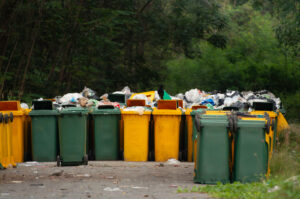
Most people don’t think twice about dragging the bin to the curb. Out of sight, out of mind, right? But waste disposal Ottawa households and businesses deal with every single week is tied to something bigger than most realize landfill capacity, methane emissions, a city quietly trying to hit targets it set years ago. The infrastructure’s there. It has been for a while. The real question is whether people are actually using it properly, or just going through the motions. This post gets into what sustainable disposal really looks like across Ottawa. Homes. Businesses. Construction sites. The stuff that actually moves the needle, not just feel-good talking points.
The Scale of the Problem (Bigger Than One Bin)
Ottawa’s landfill isn’t in crisis. Not yet. But Trail Road, the city’s main facility, doesn’t have unlimited room, nothing does, that’s how landfills work. The city has a target of diverting over 60% of waste away from landfill. Last anyone checked, actual numbers were sitting below that. Which tells you participation is the bottleneck, not the system itself.
Here’s the thing about landfills people forget: they’re not just unsightly, they actively produce methane. A greenhouse gas that’s something like 80 times more potent than CO2 over a couple decades. Groundwater contamination too, depending on the site. Environmental sustainability for a city this size isn’t some abstract feel-good phrase, it’s closer to infrastructure planning, honestly.
Waste reduction at the source matters most. Obviously. What never gets produced never needs disposing of. But for everything after that point it comes down to sorting things correctly and getting them where they’re supposed to go.
Residential Disposal: There’s More to It Than Three Bins
Green bin, blue bin, black bin. Ottawa’s three-stream system. Everyone knows this exists. Fewer people actually use it the way it’s meant to be used, and that gap is where most of the waste reduction potential just… disappears.
- Green waste disposal through the organics program might be the single most underused tool the city offers. Food scraps, soiled paper, coffee grounds, meat, dairy, yes, all of it goes in the green bin, even the stuff people assume doesn’t belong there. A lot of households still toss this in regular garbage out of habit. Organic waste in a landfill turns into methane. The same waste in a green bin turns into compost. Same material, completely different outcome.
- Blue bin covers recycling programs paper, cardboard, glass, rigid plastics, metal cans. Here’s where people trip up though: soft plastics. Bags, shrink wrap, that thin film over packaging. None of it belongs in the blue bin. It just contaminates everything else in the load, and once a load’s contaminated the whole thing can get landfilled anyway. Annoying, but that’s how sorting facilities work.
- There’s also Hazardous Waste drop-off depots scattered around the city. Batteries, paint, old electronics, fluorescent bulbs, none of that belongs in the black bin, ever, even though plenty of people still do it. Responsible disposal here just means using the right channel instead of the easy one.
Worth mentioning too, the city sells subsidized backyard composters every spring. Cheap, easy to set up. Anyone with a yard and without one is leaving diversion potential on the table, plain and simple.
Commercial Waste Removal: Businesses Carry More Weight Than They Think
Let’s face it, a single restaurant probably generates more garbage in a week than most households do in a month. Maybe more. Commercial waste removal doesn’t run through curbside collection in Ottawa businesses arrange private haulers, and the quality of those services varies a lot more than people expect.
- Some haulers just show up, grab the bin, drive off. Job done, nothing more to it. Others run actual diversion programs separate organics pickup, cardboard baling, electronics streams and the difference in landfill outcomes between those two approaches is honestly significant. Not a small gap.
- Truth be told, most businesses have no idea what’s actually in their waste stream until somebody runs a waste audit on them. Restaurants and food service places are routinely surprised to learn 40 to 50 percent of what they’re throwing out is organic material. Compostable. That’s not really a garbage problem at that point, it’s a sorting problem.
- Eco-conscious waste management for a business usually starts with a few blunt questions. Does the current hauler separate recyclables? Do they actually track diversion rates, or just say they do? Can they take specialty stuff fluorescent tubes, grease, sharps? Compliant with city bylaws?
If a business can’t answer those clearly, that’s usually a sign it’s time to shop around.
Construction Waste: The Stream Everyone Forgets About
Renovation and construction jobs generate a staggering amount of material. Drywall, lumber, concrete chunks, metal offcuts, old roofing. Most of it lands straight in a dumpster headed for landfill, no sorting involved at all. Doesn’t have to work that way. Responsible disposal on a job site just means separating materials as they come off clean wood here, metal there, concrete somewhere else and routing each to the right processor. Ottawa’s Habitat for Humanity ReStore takes usable building materials, fixtures, appliances, that kind of thing. Keeps it out of landfill and gets it back into someone’s home instead, which honestly feels like the better outcome anyway.
For bigger jobs, partnering with a company that specializes in construction diversion isn’t just a nice-to-have anymore. Clients ask about it. LEED certifications basically require it. The bar’s moved.
Small Habits, Bigger Impact Than People Expect
Waste reduction doesn’t happen through one dramatic lifestyle overhaul. It’s mostly small, boring, repeated decisions. Buy less packaging when there’s a choice available. Donate furniture and appliances before calling a junk hauler most stuff still has life left in it. Rinse containers before tossing them in the blue bin (contaminated loads get rejected, and that defeats the whole point). Carry reusable bags and cups. None of this is groundbreaking. It’s just consistency, applied across enough people that it actually shows up in the city’s numbers. After all, nobody’s expecting perfection here. Just steady improvement, multiplied across a few hundred thousand households.
Picking an Eco-Friendly Disposal Service
For junk removal or property cleanouts stuff outside regular curbside pickup, the provider matters more than people assume going in. A genuinely eco-conscious waste management company should be able to tell you, plainly, what happens to a load after pickup. Sorting on-site or at a facility. Diverting what can be recycled. Donating what’s still usable. Landfilling only what’s truly left over with nowhere else to go. If a company can’t or won’t explain where things end up, that’s worth noticing.
Green waste disposal services do exist around Ottawa. Not hard to find, really. Takes a bit of digging to tell the ones actually doing the work apart from the ones just using the right words on their website.
Frequently Asked Questions
How can businesses reduce landfill waste?
Run a waste audit first, most businesses are surprised by what's actually in their bins. Separate organics, cardboard, and recyclables into their own streams. Find a commercial waste removal provider built around diversion, not just pickup. Train staff on correct sorting. Many Ottawa businesses cut landfill volume by 30 to 50 percent doing just that.
What materials can be recycled in Ottawa?
Blue bin takes rigid plastics, glass jars and bottles, metal cans, paper, cardboard and the standard stuff. Electronics need a designated drop-off, not curbside. Soft plastics, styrofoam, greasy containers are all excluded, and they trip people up constantly. The city's online waste explorer tool clears up most confusion if there's doubt.
Are eco-friendly waste disposal services available in Ottawa?
Yes, several private providers genuinely focus on environmental sustainability, high-diversion junk removal, construction waste sorting, organic collection for homes and businesses alike. Look for ones that report actual diversion numbers and can explain where materials go after pickup. That kind of transparency tends to separate the real ones from the rest.