
Why Choosing a Local Dumpster Service Can Save You Time and Money
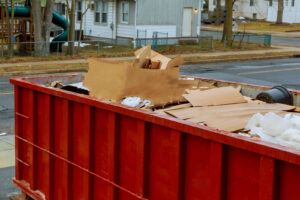
Renovation debris piling up in the driveway. The basement cleanout that got pushed off for two years finally happened this weekend. Landscaping projects generate way more green waste than anyone planned for. Whatever the situation, at some point the question stops being whether to rent a dumpster and starts being who to actually call. And that part, picking the right company, matters more than most people think going in.
Not all dumpster services work the same way. The difference between a local provider and a big national chain tends to show up pretty clearly once a project’s actually underway. Usually at the worst possible moment.
This post covers why going with a local dumpster service tends to work out better, what the real advantages actually look like, and what’s worth comparing before making that call.
Local Versus National, And Why It Matters More Than It Seems
Big national dumpster companies have recognizable names and slick websites. Easy to find, easy to book online, seems simple enough. Then the actual experience starts. Call center that has no idea about local permit requirements. Delivery window that’s basically an entire half day. Customer service that’s nearly impossible to reach once something goes sideways.
Local dumpster rental companies know the area because they work in it every single day. Which streets need permits for dumpster placement. Which neighborhoods have access challenges. Which disposal facilities nearby are most cost effective for specific material types. All of that local knowledge means fewer surprises, and surprises during a project almost always cost money.
Truth be told, a recognizable national brand name rarely means better actual service. Usually just means more layers between the customer and whoever could actually fix a problem.
Faster Delivery, More Realistic Scheduling
Local companies operate within a smaller area, shorter delivery windows, more genuine flexibility than a national company dispatching trucks across a huge region from some centralized system far away. Need a dumpster tomorrow morning because the project starts early, a local provider is way more likely to make that happen.
Same-day or next-day availability from a local waste disposal service is pretty common for smaller residential jobs. For projects with tight timelines that flexibility matters practically, not just on paper.
Pricing That Doesn’t Come With Surprises
Flat rate pricing from national companies sounds great right up until the weight overage fees, fuel surcharges, extended rental charges, and administrative fees nobody mentioned start showing up on the final bill. Suddenly the “simple” pricing isn’t simple anymore.
Affordable dumpster rental from a local provider tends to be more transparent. Local companies compete directly with each other, and can’t just rely on brand recognition to justify fees that wouldn’t fly otherwise. Local providers also have more flexibility for specific situations, longer rental periods, slightly oversized loads, repeat customer rates, the kind of accommodation a call center rep at a national company simply can’t offer because they don’t have the authority.
Getting a written quote clearly outlining everything included and what triggers extra charges, that’s easier with a local business. And easier to hold them if something doesn’t match up later.
They Know the Local Regulations
Dumpster placement involves more regulation than most people realize going in honestly. Municipal permits for street placement, weight limits on certain residential roads, restrictions on specific material types at local disposal facilities, all of it varies by municipality and sometimes by specific neighborhood.
A local dumpster rental company operating in the area deals with this stuff constantly. They know which municipalities require permits and roughly how long they take. Which roads have weight restrictions affecting delivery. Which local facilities accept which materials and at what cost. National companies often just don’t have this at a granular local level, and those gaps show up at exactly the wrong moments during a project.
Supporting Local Actually Has Practical Benefits Too
Keeping money in the community matters, sure, but there’s a practical angle here too. Local businesses care about their reputation within a specific community in a way national brands structurally can’t replicate. The person making decisions about the job lives and works in the same area. That tends to mean more accountability when something doesn’t go right, because there’s actual skin in the game locally.
A local waste disposal service that does bad work hears about it in the community directly. A national company absorbs one bad review across thousands and moves on. Different incentive structure entirely.
What to Actually Check Before Booking
Not every local company is automatically better, fair to say that honestly. A few things worth checking before committing to anyone. Licensing and insurance, dumpster delivery involves large vehicles and heavy equipment and proper insurance protects against incidents during the job. Clear written pricing before signing anything. Availability of the actual size needed for the project rather than just whatever happens to be free. And a straight answer about what materials are and aren’t accepted.
Reviews that mention specific project types, specific neighborhoods, or specific crew behavior tell way more than star ratings alone. A paragraph about how a crew handled a tight driveway access situation tells more than fifteen five-star ratings with no context.
Getting the Size Right From the Start
Too small means multiple loads, more cost, more hassle. Too big means paying for capacity nobody needed. A local dumpster rental company that asks about the project scope before recommending a size is doing things properly. One that just offers whatever’s available without that conversation, worth questioning before committing to anything.
Common sizes cover everything from single room cleanouts to full multi-room renovation projects. Getting this right upfront avoids the back and forth of swapping containers mid-project when things are already complicated enough as it is.
Eco-Friendly Disposal Worth Asking About Upfront
Affordable dumpster rental shouldn’t automatically mean everything goes straight to landfill regardless of what it actually is. Reputable local providers sort loads where possible, divert recyclables, handle specific streams like concrete, metal, or clean wood separately from general waste rather than mixing everything together.
Environment and Climate Change Canada has pointed to construction and demolition waste as a significant portion of total national waste generation. Working with a provider actively diverting materials from landfill makes a real difference for projects generating serious debris, worth asking about specifically before booking rather than assuming.
Final Thoughts
Choosing a local dumpster service over a national chain generally means better scheduling, more honest pricing, real knowledge of local regulations, and actual accountability that’s hard to get from a company where nobody answering the phone knows the area. Whether it’s a basement cleanout, full renovation, or commercial job, working with a local waste disposal service that genuinely knows the territory tends to make everything run smoother than the alternative does. Usually by quite a bit honestly.
Frequently Asked Questions
What size dumpster do most residential projects actually need?
Most single room cleanouts or small renovation projects work fine with a smaller bin, while full basement cleanouts or multi-room renovations typically need something medium to large. A good local dumpster rental company asks about project scope before recommending a size rather than offering whatever happens to be available that day.
Do I need a permit to place a dumpster on the street in Canada?
Permit requirements vary by municipality and sometimes by specific street. Local dumpster rental providers operating in the area typically know which municipalities require permits and can handle the application or clearly walk through the process, something national companies often can't do at a genuinely local level.
What materials can't go into a rented dumpster?
Hazardous materials like paint, chemicals, asbestos, and certain electronics generally aren't accepted in standard dumpsters. Affordable dumpster rental services should outline restricted materials clearly before delivery. Items needing special handling require separate disposal arrangements through facilities properly equipped to process them under provincial regulations.