
That Old Couch Doesn’t Have to End Up in a Landfill
Most people default to the same move when furniture’s worn out or just doesn’t fit anymore, drag it to the curb, hope someone takes it, or call it garbage day. Furniture removal Ottawa residents deal with happens way more often than people think, and the curb option is usually the least useful one, both for the wallet and for everything that ends up in landfill unnecessarily. This post covers the actual options. Donation. Recycling. Paid removal services. What’s worth the effort and what’s really just the lazy default dressed up as simplicity.
Why the Default Curb Approach Often Fails
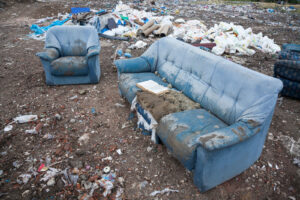
- Setting furniture out at the curb feels free. Sometimes it works. Someone passing by grabs it, problem solved. More often, though, it sits there. Rain gets into it. City crews eventually haul it away as bulk garbage, assuming it even qualifies, and a lot of perfectly usable material ends up in landfill simply because nobody routed it anywhere better.
- That’s the real issue here. Furniture disposal done carelessly wastes material that didn’t need wasting. A solid wood dresser, a couch with some life left in it, these things have value somewhere, just not necessarily at the curb in the rain for three days.
- Ottawa generates a significant volume of bulky waste every year, and furniture makes up a sizable chunk of it. Most of that volume didn’t need to go to landfill at all. Worth sitting with that for a second.
Donation Centers: Usually the First Stop Worth Trying
- If a piece is still in decent shape, donation centers should be the first call, honestly, before anything else gets considered.
- Habitat for Humanity ReStore operates several locations around Ottawa and accepts furniture, appliances, and building materials in usable condition. Free pickup is often available for larger items too, which surprises people no truck rental needed, no hauling required on their end.
- The Salvation Army and Diabetes Canada also run donation programs locally, both accepting furniture donations with pickup service in many cases. Good condition matters here, though torn upholstery, broken frames, water damage, that kind of thing usually gets turned away. Makes sense, nobody wants to resell something falling apart.
- Truth be told, a lot of furniture gets thrown out simply because nobody checked donation eligibility first. It takes maybe ten minutes to find out. Worth ten minutes, most of the time.
Furniture Recycling: What Happens to the Stuff That Can’t Be Donated
- Not everything qualifies for donation. Stained mattresses, broken particleboard furniture, anything structurally unsound these still don’t have to go straight to landfill, though.
- Furniture recycling breaks pieces down into base materials. Wood gets chipped or repurposed. Metal frames and springs get separated out and recycled as scrap. Foam and fabric are trickier recyclable in some cases, but it depends heavily on the material and the facility actually doing the processing.
- Mattresses specifically have their own recycling stream in Ottawa, handled through select waste management companies. Springs, foam, and fabric get separated and processed individually rather than the whole thing just getting landfilled whole, which is what happens by default otherwise.
- Eco-friendly disposal through recycling isn’t always free, it’s worth noting. Some services charge a modest fee, especially for mattresses and larger upholstered pieces. Still cheaper than landfill tipping fees in a lot of cases, and obviously better for diversion numbers overall.
Junk Removal Services: The Convenient Middle Ground
- For anyone without a truck, without the time, or just not interested in sorting through donation eligibility themselves junk removal services fill that gap.
- Most Ottawa-based companies offer bulky item pickup, meaning a crew shows up, hauls the furniture out, loads the truck, done. No lifting required on the homeowner’s end, no driving to a donation center across town.
- The better companies in this space sort what they pick up. Usable items go to donation centers. Recyclable materials get routed to recycling facilities. Only the genuinely unsalvageable stuff goes to landfill. Worth asking directly what a company’s diversion process actually looks like before booking; not every provider operates this way, and the difference matters more than people assume going in.
- Used furniture removal through one of these services usually costs based on volume or load size, sometimes a flat rate depending on the company. Pricing varies enough that it’s worth a quick comparison before committing to the first option that comes up.
Comparing the Options: What Actually Makes Sense
- Donation works best for furniture still in solid, usable condition. Free in most cases, sometimes even free pickup included. The best outcome overall keeps things out of landfill and gets them into someone else’s home.
- Recycling fits when a piece is damaged beyond donation but still has recyclable material in it. Usually involves a modest fee, sometimes free depending on the item and the facility.
- Junk removal services make sense for convenience, multiple items at once, or anything too heavy or awkward to move alone. Costs more than donation or self-hauling, but the time saved is real, and a lot of the better services still divert most of what they collect anyway.
- After all, none of these options are mutually exclusive. A full cleanout often involves all three pieces donated, some recycled, the rest hauled off by a service that sorts it properly on the back end.
A Quick Note on Timing and Planning
Donation centers don’t always take same-day drop-offs or pickups, so a little lead time helps. Junk removal services are generally more flexible, often booking next-day or even same-day depending on availability. Worth factoring that into any moving or renovation timeline rather than scrambling at the last minute.
Frequently Asked Questions
Where can I donate used furniture?
Habitat for Humanity ReStore, the Salvation Army, and Diabetes Canada all accept furniture donations across Ottawa, often with free pickup for larger items. Donation centers typically require pieces to be in good, usable condition with no major damage, stains, or structural issues that would prevent resale.
Can furniture be recycled instead of thrown away?
Yes. Furniture recycling breaks down wood, metal, and fabric components separately rather than sending whole pieces to landfill. Mattresses have a dedicated recycling stream in Ottawa through select providers. It's a solid eco-friendly disposal option for furniture too damaged for donation but still containing recoverable material.
What is the cheapest way to remove old furniture?
Donation is typically free and sometimes includes pickup, making it the most cost-effective option for usable pieces. Self-hauling to a donation center or transfer station costs only time and fuel. Paid junk removal services cost more but offer convenience for heavy items or multiple pieces at once.